Storm damage Restoration
Storm Damage Cleanup in Chicago, IL
A severe thunderstorm can leave a Chicago property with a torn roof, broken windows, flooded floors, and debris scattered across the lot, all within a few hours. If you need storm damage cleanup in Chicago, the first priority is safety, and the second is stopping further damage before it spreads into walls, floors, and building systems.
Alliance Disaster Kleenup provides storm damage cleanup and restoration for homes and commercial buildings, with emergency assistance available 24/7. This page explains the services we provide, the types of storm damage we handle, how our process works, what to do right after a storm, and how documentation can help with an insurance claim.
Need emergency storm damage cleanup in Chicago? Call Alliance Disaster Kleenup at 847-205-2100.
- Water Removal
- Wind Damage
- Tree Branch Removal
- Damaged Materials Removal
- 24/7 Emergency Response
- Licensed & Certified Restoration
- Insurance Approved
- Locally Owned
We Specialize in Commercial, Industrial and Residential Repairs & Reconstruction
Professional Storm Damage Cleanup Services in Chicago
Storm damage rarely stays in one place. Rain that enters through a damaged roof can soak insulation, drywall, and flooring. Wind that removes siding can expose the structure underneath. The longer these conditions go unaddressed, the more extensive the repair work can become.
Our storm damage restoration services in Chicago are designed to address both the visible damage and the problems that follow it. Depending on the condition of the property, our services may include:
- Property inspection and damage assessment
- Water extraction and structural drying
- Removal of damaged materials and storm debris
- Emergency protective measures to help prevent further damage
- Structural repairs and restoration
- Cleanup for both residential and commercial properties
Each property is different, so the scope of work depends on what the inspection finds.

Common Types of Storm Damage We Handle
Chicago-area storms can bring strong winds, hail, heavy rainfall, and at times tornadoes. Each type of storm damages a building in a different way.
Water Damage
High winds can break windows, pull off siding, lift shingles, and expose building materials to the weather. They also bring down branches and other debris that can strike the building or block access to it. Even when the damage looks minor from the street, wind can loosen components that later allow water to enter.
Hail Damage
Hail can dent or crack roofing materials, break windows, and damage siding, gutters, and other exterior surfaces. Small openings created by hail may not be obvious right away, but they can allow moisture into the building during later rainfall.
Heavy Rain and Flood Damage
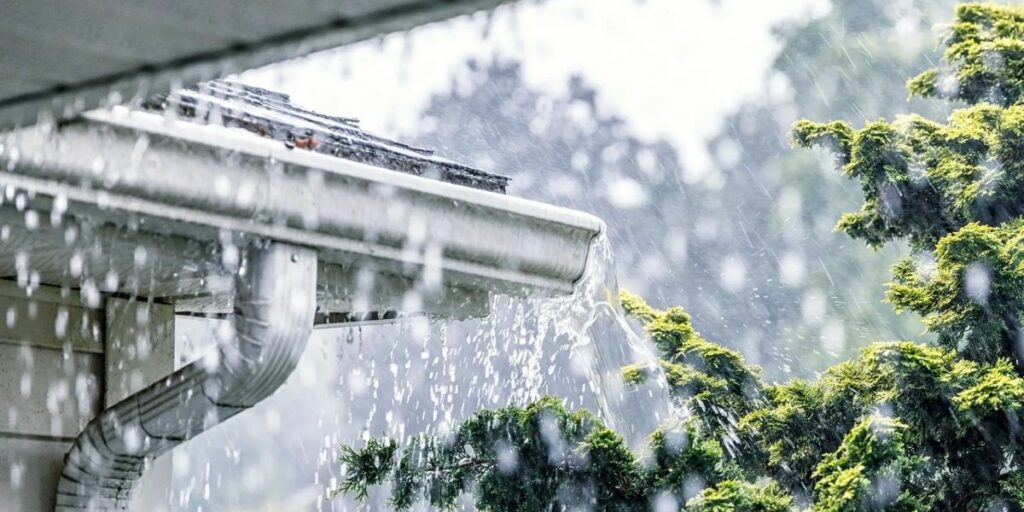
Heavy rain can enter through roof damage, windows, doors, foundation walls, and basements. The result may be standing water, wet insulation, damaged flooring, and moisture trapped inside walls. This type of storm water damage cleanup involves removing the water and drying the affected materials. For more detail on that part of the work, see our water damage restoration services.
Fallen Trees and Storm Debris
Fallen trees, large limbs, and scattered debris can be hazardous. Before removal, the area should be evaluated for structural instability and possible electrical hazards, including downed lines that may be hidden under branches. Storm debris removal is safest when the hazards have been identified first.
Roof and Structural Damage
A damaged roof can allow rain to reach the interior, and damaged walls or framing can make parts of a building unsafe. Roof openings, leaks, and unstable components call for prompt protection and a careful assessment before anyone returns to the affected area.
Emergency Disaster Restoration Services Available
Our Storm Damage Cleanup and Restoration Process
Our storm restoration work follows six steps. The exact work in each step depends on the damage found at your property.
We evaluate visible damage, moisture conditions, the condition of the structure, and potential safety hazards. This assessment guides the rest of the work.
We address immediate hazards and use suitable temporary protection to limit further damage. Where applicable, that can include board-up and roof tarping.
Standing water is removed, and drying equipment is used to address moisture in affected materials. Drying matters because moisture left in building materials can lead to continuing damage.
We remove debris and materials that cannot be safely restored, so the property can be cleaned and prepared for repair.
Cleanup and repairs are completed according to the assessed damage, with the goal of returning the property to a safe and usable condition.
We review the completed work and identify any remaining concerns, so you know where the project stands.
If you need help right away, contact our restoration team or call 847-205-2100.
Emergency Storm Damage Cleanup for Homes and Businesses
The needs of a single-family home are different from those of a warehouse or an office building. We provide emergency storm damage cleanup for both, and we adjust the work to the property type and the damage involved.
Homeowners often face a combination of problems, including:
- Roof and exterior damage
- Water in basements and living spaces
- Interior water damage to walls, ceilings, and floors
- Affected personal belongings
Whether a particular item can be cleaned or restored depends on the material and the extent of the damage, and we will tell you what we find during the assessment.
Businesses have additional concerns, particularly keeping operations running or getting them back as soon as it is safe. Commercial storm damage cleanup can involve:
- Offices and retail properties
- Warehouses and industrial buildings
- Multifamily buildings
- Commercial equipment and materials
- Business interruption concerns
As with residential work, the condition of equipment and inventory varies, and not every item can be restored.
Emergency Disaster Restoration Services Available
What to Do After Storm Damage in Chicago
The steps you take in the first hours can affect both safety and the cost of repairs. If your property has been hit, follow these steps:
- Check for immediate dangers. Follow instructions from local emergency officials.
- Stay away from downed power lines, unstable structures, and standing water near electrical equipment. Assume any downed line is live.
- Do not enter a severely damaged building until it has been judged safe.
- Photograph the visible damage when it is safe to do so.
- Contact your insurance provider and a qualified restoration company.
- Avoid unnecessary cleanup that could put you or other occupants at risk.
If water is entering the property and you can reach the area safely, a call to a restoration team early can help limit the spread. Our emergency response services are available around the clock.
Storm Damage Cleanup and Insurance Claims
Good records make the insurance process easier to follow. For storm damage, helpful documentation usually includes:
- Photographs of the damage
- A record of affected areas and materials
- Restoration estimates and work records
- Communication with your insurance provider
Coverage depends on your individual policy, including its deductibles, exclusions, and limits, and the insurer makes the final decision on any claim. Alliance Disaster Kleenup cannot guarantee coverage, payment, or claim approval. We can provide documentation of the work we perform, which you can share with your insurer. Your insurance representative is the best source for what your policy covers.
Why Choose Alliance Disaster Kleenup in Chicago?
When storm damage is active, you need a team that can respond quickly and communicate clearly. Here is what Alliance Disaster Kleenup brings to the work:
- Over 50 years in the restoration industry.
- 24/7 emergency response.
- A stated ability to dispatch and arrive within 90 minutes. Actual arrival times can vary with location, traffic, and conditions during major storm events.
- Trained restoration professionals.
- Residential, commercial, and industrial restoration capabilities.
- Property cleanup, repairs, and reconstruction under one company.
- Clear communication throughout the project.
Storm Damage Restoration Services in Chicago and Surrounding Areas
We provide storm damage restoration in Chicago, IL, and in Cook County and nearby communities within our service area. The region is no stranger to severe thunderstorms, heavy rain, strong winds, and hail, and tornadoes occasionally affect the area. If you are outside the city, call 847-205-2100 and we will confirm whether we can serve your address.
Frequently Asked Questions About Storm Damage Cleanup
As soon as it is safe to do so. Safety checks come first, followed by steps to stop further damage, such as covering openings and removing water. Wet materials left in place can cause additional damage, so timely mitigation matters.
It depends on your policy. Some policies cover certain types of storm damage, but deductibles, exclusions, and coverage limits vary, and flood-related water damage is often treated differently from other storm damage. Check with your insurance provider about your specific coverage.
There is no single timeline. Duration depends on the extent of the damage, how long drying takes, safety conditions, and the amount of repair required. We can give you a better idea after inspecting the property.
Yes, it can. Mold can develop when moisture remains in water-damaged materials, which is one reason water extraction and drying are part of storm cleanup. Addressing moisture promptly helps reduce the risk.
Yes. Alliance Disaster Kleenup offers 24/7 emergency service. Call 847-205-2100 at any hour.
Yes. We provide restoration for commercial and industrial properties as well as homes, including offices, retail spaces, warehouses, and multifamily buildings.
Get 24/7 Storm Damage Cleanup in Chicago Today
If a storm has damaged your home or business, Alliance Disaster Kleenup is ready to help with storm damage cleanup in Chicago, from emergency response to repairs. Call 847-205-2100 or contact Alliance Disaster Kleenup to describe the damage and arrange the next step.