
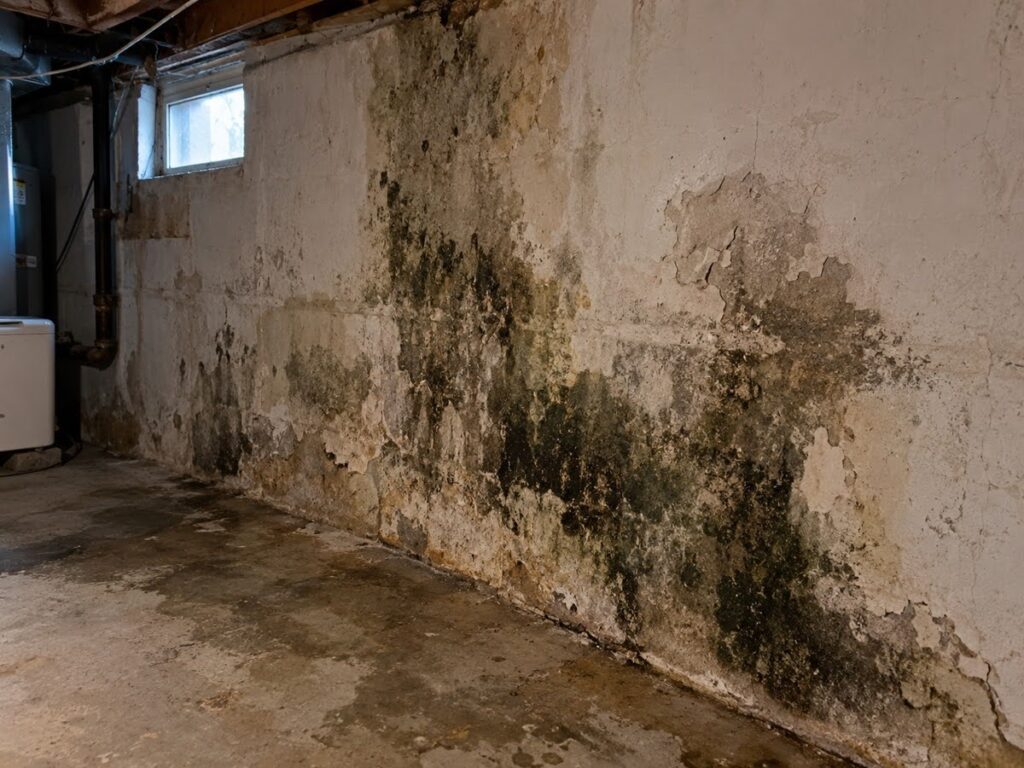
You notice dark spots on a basement wall, a ceiling corner, or the grout in your shower, and you want to know what you are dealing with. The question of mold vs mildew comes up often, and the short answer is that mildew is generally a term for certain kinds of mold. Both grow where moisture lingers, and neither should be ignored.
This guide explains the difference between mold and mildew, how each tends to look, what they can mean for your health, and which cleanup jobs are reasonable to handle yourself. It also covers when Chicago homeowners, landlords, and property managers should bring in a professional.
What Is Mold?
Mold is a broad group of fungi that grows on damp organic materials. Indoors, it commonly shows up on drywall, wood, ceiling tiles, carpet, and basement walls, especially where water has leaked or humidity stays high.
Mold can look fuzzy, powdery, or slimy. It can be black, green, brown, gray, or white. Because the colors vary so much, color is not a dependable way to judge how risky a growth is. The CDC notes that a mold’s color does not tell you whether it is toxic, so a black patch is not automatically more dangerous than a green one.
What mold needs is simple: moisture, and time. When a material stays wet, growth can spread below the surface. That is why porous materials such as drywall, insulation, and carpet padding that have been wet and moldy often have to be removed rather than cleaned.
What Is Mildew?
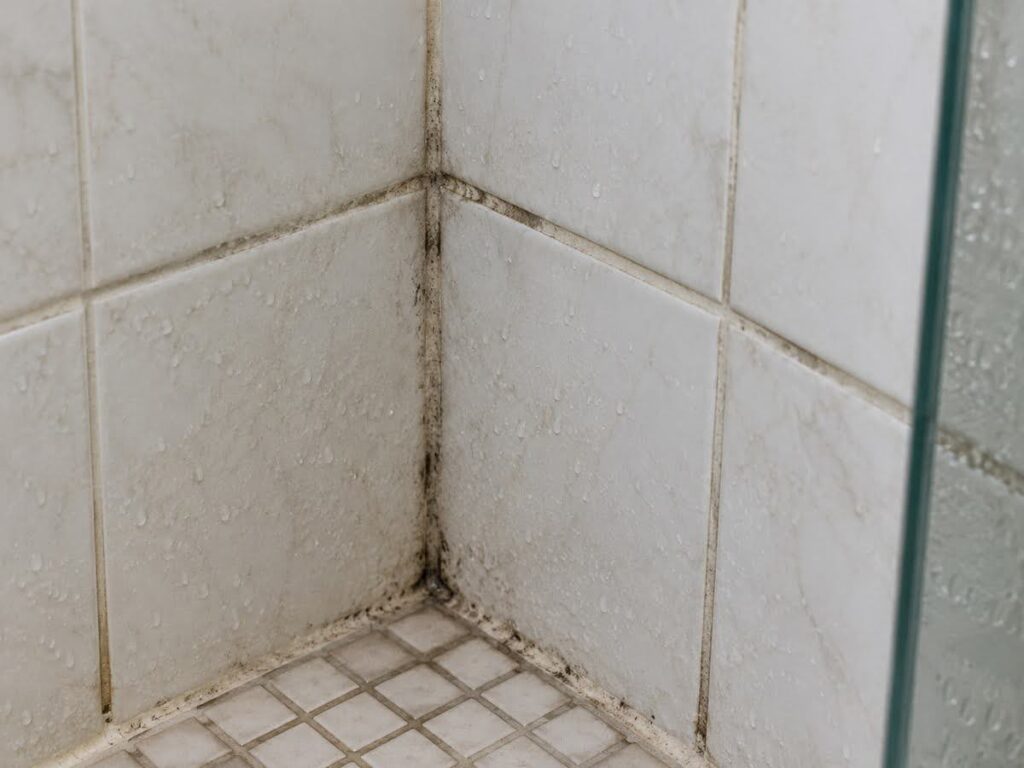
Mildew is a term that commonly refers to certain kinds of mold or fungus, usually those that grow in a flat pattern across a surface. It often looks powdery or downy and tends to be white, gray, or light-colored, though it can darken over time.
You will usually find mildew on shower walls, windowsills, tile grout, and fabrics that stay damp. Small patches on hard, washable surfaces are often easier to clean than established growth in building materials.
Keep in mind that appearance alone cannot reliably tell you which fungus you have or what risk it carries. Treat any recurring growth as a sign that moisture needs attention.
Mold vs. Mildew. Key Differences
The points below summarize common tendencies. They are a general guide, not a test, and there is plenty of overlap between the two.
Appearance
- Mold is often fuzzy, irregular, or patchy.
- Mildew is often flat or powdery.
Color
- Mold can be black, green, white, or other colors.
- Mildew is commonly white or gray, but the color varies.
Location
- Mold can grow on walls, floors, ceilings, and other damp materials.
- Mildew is more often found in bathrooms, on windowsills, and on other damp surfaces.
Damage
- Mold can damage porous building materials.
- Some forms of mildew primarily affect surfaces.
Odor
- Mold may produce a musty smell.
- Mildew may also produce an unpleasant odor.
Removal
- With mold, the approach depends on the surface and the extent of contamination.
- With mildew, small surface patches may be easier to clean.
These are common tendencies, not reliable identification tests. Growth that looks like mildew can still be a type of mold, and color does not tell you how harmful a growth might be. The more useful question is usually not what to call it, but why it is there and how large the affected area is.
Where Do Mold and Mildew Commonly Grow in Chicago Homes?
Chicago properties deal with cold winters, humid summers, and heavy rain, and each can create conditions where fungal growth takes hold. Common trouble spots include:
- Basements that take on water after heavy rain or snowmelt
- Windows where indoor moisture condenses on cold glass in winter
- Bathrooms with weak or missing ventilation
- Plumbing leaks behind cabinets, vanities, and walls
- Ceilings and drywall soaked by roof leaks
- Rooms with elevated humidity, such as laundry areas
Seasonal temperature swings, water intrusion, condensation, and limited airflow can all contribute. The growth itself is rarely the root issue. The moisture behind it is, and finding that source matters as much as cleaning the visible patch.
Can Mold and Mildew Affect Your Health?
They can. The EPA identifies allergic reactions, asthma symptoms, and respiratory complaints as potential effects of mold exposure. Some people notice nasal stuffiness, throat irritation, coughing, wheezing, or itchy eyes and skin.
Reactions vary widely. People with asthma, mold allergies, weakened immune systems, or chronic lung conditions may be more sensitive and should take extra care around damp, moldy areas. Others may notice nothing at all.
This article offers general information, not medical advice. If you or someone in your household has symptoms that you think are connected to a damp or moldy space, talk with a health care provider.
How to Remove Mold and Mildew Safely
The right approach depends on the size of the problem and the material involved.
Cleaning Small Areas on Hard Surfaces
A small patch on a hard, washable surface, such as tile, a bathtub, or a sealed countertop, can often be handled with detergent and water. Wear gloves, eye protection, and a mask, and ventilate the room. Scrub the area, rinse, and dry it completely.
The EPA advises that chlorine bleach is generally not necessary for routine mold cleanup, and you should never mix bleach with ammonia or other cleaners. Just as important, find and fix what caused the moisture. If the source remains, the growth is likely to return.
When DIY Cleaning Is Not Enough
Cleaning a surface will not solve every situation. Be cautious if you see:
- Widespread growth across walls, ceilings, or floors
- Moldy or water-damaged drywall, insulation, or carpet
- Growth that keeps coming back after cleaning
- Signs of hidden moisture, such as a persistent musty smell, staining, or peeling paint
- Possible contamination of HVAC components
Porous materials that are visibly moldy often cannot be fully cleaned and may need professional evaluation and removal.
When Should You Call a Professional Mold Removal Company?
Consider professional help when the problem goes beyond a small, easily cleaned area. Common triggers include:
- Mold covering a large area
- Growth that returns after cleaning
- Suspected mold behind drywall or under flooring
- Wet insulation or other porous materials
- Suspected contamination involving heating or cooling equipment
- Mold connected to flooding or sewage
As a general guideline, the EPA suggests professional help for moldy areas larger than about 10 square feet, though circumstances can call for it on smaller areas too. A hidden leak, a vulnerable occupant, or a commercial property with tenants can change the picture.
If you are in that situation, professional mold removal services can assess the affected area, address damaged materials, and help you deal with the moisture problem behind it. Alliance Disaster Kleenup serves property owners across the Chicago area.
How to Prevent Mold and Mildew in Your Chicago Property
Prevention comes down to moisture control. No method can promise growth will never return, but these steps lower the risk:
- Repair leaks in pipes, roofs, and windows promptly.
- Control indoor humidity, ideally between 30% and 50%.
- Ventilate bathrooms and kitchens with exhaust fans or open windows.
- Dry water-damaged materials within 24 to 48 hours when possible.
- Check basements and other moisture-prone areas regularly.
- Address recurring condensation on windows and cold surfaces.
The EPA treats prompt drying and moisture control as the foundation of mold prevention. A simple hygrometer, which measures humidity, is an inexpensive way to keep an eye on conditions in a basement or bathroom.
Frequently Asked Questions
Is mildew a type of mold?
Generally, yes. The EPA explains that mildew commonly refers to certain kinds of mold or fungus. In everyday use, people often use “mildew” for flat, surface-level growth and “mold” for thicker or more established growth, but the terms overlap.
Is mold more dangerous than mildew?
Not necessarily. Health risk depends on the specific fungus, how much exposure there is, and how sensitive the person is. Neither name tells you how risky a growth is, and color is not a reliable guide.
How can you tell mold from mildew?
Mildew is often flat, powdery, and light in color, while mold can be fuzzy, slimy, or darker. These are tendencies, not firm rules. Appearance cannot definitively identify a fungus, so focus on the size of the area, the material, and the moisture source.
Can mildew turn into mold?
Mildew does not simply transform into some other kind of mold. Since mildew is a term for certain molds, the more useful point is that any of these growths can spread and worsen when moisture persists.
Can you remove mold or mildew yourself?
Small areas on hard, washable surfaces can often be cleaned with detergent, water, and proper protection. Larger areas, moldy drywall or insulation, recurring growth, or suspected hidden moisture are better evaluated by a professional.
Does mold always smell musty?
No. Some mold produces a noticeable musty odor, but not all growth has a detectable smell. Hidden or small growth may be present without any odor, so a missing smell does not rule out a problem.
Professional Mold Removal and Remediation in the Chicago Area
Alliance Disaster Kleenup offers services related to mold-affected properties, including air quality testing, ventilation and air filtration, removal of damaged materials, and mold damage restoration, along with 24/7 emergency response.
Not sure whether the growth on your walls, ceilings, or floors is mold or mildew? Alliance Disaster Kleenup can help property owners address contamination and moisture-related damage. Explore our mold removal services or call (847) 205-2100 to discuss your property.
